Braces or clear aligners: how to choose.
Choosing between braces and clear aligners starts with an orthodontic assessment of your teeth and bite. Aligners require consistent wear as prescribed; some movements may need fixed braces or a combination of appliances. Lumident offers both braces and clear aligners. Ask which options are suitable for you and what each would involve for daily care, review appointments and retention.
Published by Lumident Polyclinic.
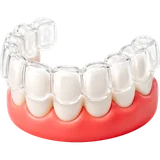
The four questions that decide it
Your orthodontist considers the movements needed, your oral health, and how each option fits your routine.

Decided at diagnosis
What has to move
Tipping a crowded front tooth and rotating a premolar or closing a bite are different mechanical problems. Aligners are good at some of them and poor at others, and this is the question that rules options in or out before any other one is asked.
20-22 hours a day
Whether they will be worn
Aligners only work while they are in. 20 to 22 hours a day is the requirement, not the ideal, and the most common reason an aligner case runs long is wear time rather than the case itself. Braces remove the variable because they are not removable.
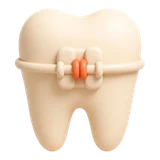
Patient priority
How visible it can be
A genuine consideration, and the one most patients lead with. Aligners and lingual braces are the discreet options; ceramic sits in between; metal is the most visible and often the most efficient. It is weighed after the first two questions, not before them.

Review and care plan
What the routine looks like
Ask what daily cleaning and appliance wear involve, how often review appointments are needed and what to do if an appliance is damaged. Discuss commitments that could affect attending visits.
What the comparison will not tell you
The choice requires an examination. Treatment time depends on the tooth movements needed, the bite, and how consistently you follow the plan. Some cases need a combination of aligners and fixed braces. Ask about the expected duration, review visits, costs, and retention before choosing an appliance. Both options usually require retainers after treatment.
Further reading: British Orthodontic Society information on clear aligners.
Who decides, and on what
The Orthodontics department
Orthodontics
The choice is made at the consultation, from records rather than from a photograph: alignment, the way the bite meets, facial balance, and the movements the case actually needs. When either appliance is suitable, the orthodontist explains the differences in timing, cost, and daily care.
See the full Orthodontics department.
Related guide: Living with braces: daily care and review visits
Questions patients ask when choosing
Short answers first; anything specific to your teeth comes from a consultation.
Are clear aligners as effective as braces?
Suitability depends on the tooth movements and bite assessed by the orthodontist. Aligners require consistent wear as prescribed; some movements may need fixed braces or a combination of appliances.
Which one is faster?
The appliance alone does not determine treatment time. Ask the orthodontist for the expected duration for your teeth and bite and how following the plan affects progress.
How many hours a day do aligners have to be worn?
20 to 22 hours a day, taken out only to eat and to clean the teeth. This is the single biggest reason aligner treatments run late, and it is worth being honest with yourself about before choosing them.
Which is better for a teenager?
It depends on the teenager rather than the age. Aligners suit a teen who will genuinely keep them in and not lose them; braces remove that variable entirely because they are not removable. Both are used routinely at Lumident.
Can I switch from aligners to braces partway through?
Yes, and it happens when a case turns out to need movements aligners cannot deliver, or when wear time has not been consistent. It is better to plan for the possibility at the start than to treat it as a failure later.
Do both need a retainer afterwards?
Retainers are usually needed after braces or aligners to maintain the result. Ask which retainer and wear schedule are appropriate and how follow-up will be arranged.
How often are visits with each one?
The review schedule depends on your plan and appliance. Ask how often you need to attend, what happens between visits and whom to contact if a problem develops.
Not sure which one your case needs?
Tell the department what you would like to change and ask about an orthodontic assessment. Suitability requires an examination; discuss daily care, review visits and retention at the consultation.