Pediatric dentistry in Beirut
Lumident's Pediatric department provides children's dental care on Madam Curie Street in Beirut. The department is led by Dr. Riad Bacho and covers first dental visits, prevention, cavity care and growth monitoring. Contact the Pediatric team to discuss your child's visit and confirm an appointment.
Glide over the portrait to reveal a brighter, happier layer.
Child-focused care, structured around what matters most early
A calmer first visit, clear prevention, treatment when needed, and close monitoring as children grow.

Foundation & Prevention
Trust, routine, and prevention first
The first goal is not simply treatment. It is helping children feel safe early, while giving parents clear guidance on risk, home care, and what to watch as the mouth develops.

First visits. A calm first visit focused on growth, risk, and early care.
Preventive care. Checkups, hygiene guidance, fluoride, and sealants planned around risk and routine.
Comfort-first visits. Pacing and communication that reduce fear and help children cooperate without pressure.

Treatment & Care
Treatment when preservation matters
When baby teeth need treatment, care stays practical and preservation-focused.
Child-focused fillings, crowns, and pulp therapy when a tooth should be maintained until natural shedding.
Clear guidance on what needs treatment now and what can be monitored safely.
Growth & Monitoring
Monitoring that stays ahead of bigger problems
Early guidance helps catch habits, spacing changes, and bite concerns before they become more complex.
Thumb sucking, spacing changes, space maintenance, and early bite review.
A clearer sense of when simple observation is enough and when intervention matters.

Urgent care
When something changes suddenly
If your child develops pain, swelling, trauma, or a broken tooth, contact the department so the next step is directed quickly and appropriately.
Call when something changes suddenly, not after it worsens.
Preparing for your child's first dental visit
Arrange the first dental visit when the first tooth appears, and no later than your child's first birthday. This follows the American Academy of Pediatric Dentistry's parent guidance. If your child is older and has not had a visit, contact the Pediatric department to arrange one.
What to tell the team

When booking, tell the team your child's age, whether this is their first dental visit and the concern you want to discuss.
Mention any previous difficult dental experience so you can ask how the appointment can be planned around your child.
Ask whether there are patient or health-history forms to complete before the visit. Write down your questions and concerns so you can discuss them with the dentist.
If there is pain, swelling or an injury, describe that when you contact the department rather than requesting only a routine checkup.
For general preparation advice, see the American Dental Association's first dental visit guide. Confirm any forms or instructions with the Pediatric department.
At the visit, the dentist can review tooth development and discuss brushing, feeding habits and prevention. Ask which concerns need attention now and when the next check should be. The advice and any treatment depend on your child's assessment.
For questions about protecting the chewing surfaces of back teeth, read our children's sealants guide. For directions and choosing a department, see booking a visit to Lumident.
Between visits
Toothache first aid
Rinse with warm salt water, brush or floss gently around the area, and avoid placing aspirin directly on the gums.
Snacks that help
Choose water, dairy, fruit, and balanced meals more often than sticky sweets, juice, and frequent sugary snacks.
Sports protection
Mouthguards reduce injury risk for active children and are worth planning before contact or high-impact sports.
Laughing gas, for visits that stay calm
A gentle, well-established option that keeps anxious children relaxed, safe, and cooperative.
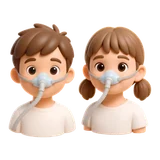
What it is
A mild sedative your child breathes through a small nose mask.
Laughing gas (nitrous oxide) is mixed with oxygen and breathed through a soft mask that sits over the nose. Your child stays awake the whole time, can talk and respond, and simply feels calm and at ease while the dentist works. It takes effect within minutes and wears off within minutes, so children leave the clinic as alert as they arrived.
It is one of the safest and most studied comfort options in pediatric dentistry, and at Lumident it is administered and monitored by the pediatric specialist throughout the visit.
When it helps most
Anxious or fearful children who struggle to relax in the chair
Longer treatments that are easier to finish in one calm visit
A strong gag reflex that makes treatment uncomfortable
Young children who find it hard to sit still
Not sure if it is right for your child? Ask the pediatric team on WhatsApp and they will advise before the visit.
Key milestones in oral development
Knowing what is normal helps families spot concerns earlier.
6 months
First teeth erupt
Start wiping or brushing the first teeth and avoid prolonged sugar exposure in bottles.
1 year
First dental visit
A first visit by age one helps assess risk, monitor eruption, and guide parents early.
6 years
Mixed dentition begins
The first permanent molars arrive and early orthodontic screening can become useful.
12 years
Permanent teeth take over
Most adult teeth are in place, and bite development becomes easier to evaluate clearly.
Parent guides
Straight answers to the questions parents ask most, each written to be useful on its own.
Around age 7, and for most children the answer is to review later rather than start braces.
A knocked-out permanent tooth has a 30 to 60 minute window. A baby tooth is never put back.
Sealing the grooves of the back molars where a toothbrush is physically too wide to reach.

Normal under three. What changes once the permanent front teeth start coming through.
Who you'll meet
The familiar faces your child will get to know at every visit.

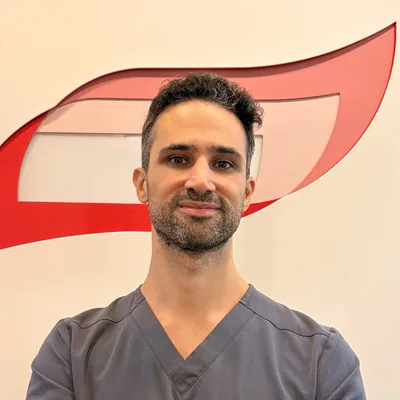
Dr. Riad Bacho
Head of Pediatric Dentistry
About Dr. Riad Bacho
Pediatric dentist practicing exclusively with children since qualifying in 1982, with postgraduate certificates in oral biology and pediatric dentistry in Paris and a 1994 Ph.D. from Universite Paris VI. Associate Professor of Pediatric Dentistry at the Lebanese University and a founding member of Lumident.
Dr. Hassan Bacho
Pediatric Dentist

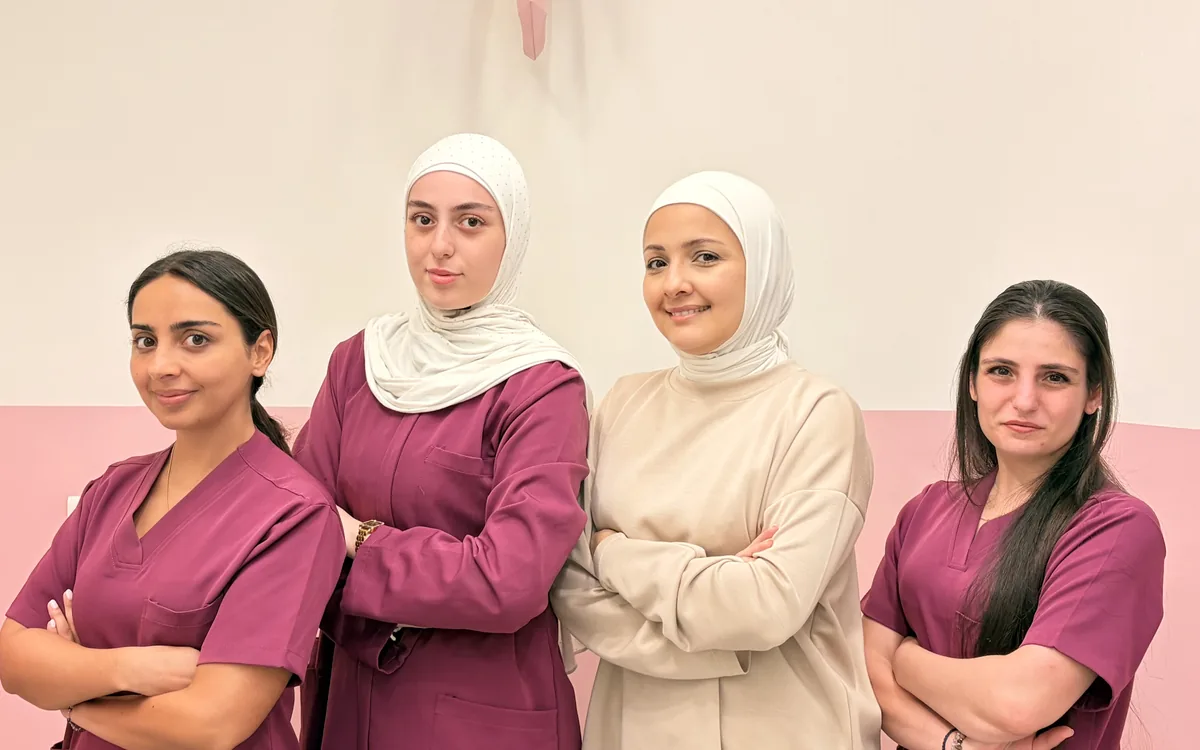
Dr. Faten Farhat
Pediatric Dentist
Dr. Rima El Osta
Pediatric Dentist
Dr. Sylvie Razzouk
Pediatric Dentist
Questions parents ask
Direct answers first. For anything specific to your child, ask the department on WhatsApp.
At what age should my child first see a dentist?
Arrange the first dental visit when the first tooth appears, and no later than your child's first birthday. Contact Lumident's Pediatric department to discuss the visit and any concerns about your child's teeth.
How often should children have dental checkups?
Every six months for most children. Children with higher cavity risk may be seen more often, and the interval is set per child, not by default.
What happens at a first visit at Lumident?
The dentist can review tooth development and discuss brushing, feeding habits and prevention. When booking, ask what to bring and how parent presence or any appointment adaptations can be arranged for your child.
My child is afraid of the dentist. How do you handle anxious children?
Visits are paced around the child: short appointments, plain explanations before anything happens, and no restraint or pressure. Dr. Riad Bacho has led pediatric dentistry in Lebanon for decades and the department is built for first-visit nerves.
Do cavities in baby teeth really need treatment?
Yes, when decay threatens a tooth that should stay in place until it sheds naturally. Untreated baby-tooth decay can cause pain, infection, and spacing problems for the adult teeth underneath.
What languages does the clinic speak?
Arabic, English, and French.
The dentist they grow up not fearing
Tell us about your child, what they love, and what worries you. Dr. Riad Bacho's team plans the visit around them, at their pace.