Orthodontics in Beirut
Lumident's Orthodontics department is led by Dr. Hani Hasbini and offers braces, clear aligners and growth guidance for children, teens and adults. Visit the team on Madam Curie Street in Beirut to discuss your teeth, bite and treatment goals. The appropriate options depend on an orthodontic assessment.
Glide over the portrait to bring her smile into place.
The options, in plain terms
What each one treats, and how the main paths compare, so the recommendation at your consultation makes sense.
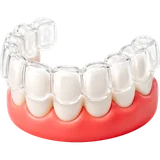
Clear aligners
Removable, nearly invisible trays that suit many mild to moderate cases. They reward consistency: the more they are worn, the better they work.
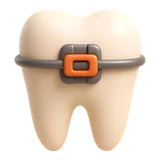
Metal and ceramic braces
Fixed braces treat a range of alignment and bite problems. Ceramic brackets are less noticeable than metal brackets.
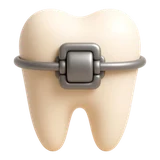
Self-ligating and lingual braces
For patients with specific comfort or visibility priorities. Self-ligating brackets hold the wire without elastics, and lingual braces sit hidden behind the teeth.
Expanders and growth appliances
Used while the jaw is still growing. Palatal expanders and similar appliances guide development early, which can make later treatment shorter and simpler.
Compare up to 3 treatment systems
Clear Aligners
Visibility
InvisibleComfort
Speed
Aesthetics
Removable

Duration
6-18 months
Visits
Every 6-8 weeks
Typical indication
Mild to moderate alignment needs in compliant teens and adults
Clinical note
Most effective when daily wear is consistent and the case does not require heavy fixed-mechanics control.
Ceramic Braces
Visibility
DiscreetComfort
Speed
Aesthetics
Removable

Duration
12-24 months
Visits
Every 4-6 weeks
Typical indication
Moderate to complex cases where lower visibility is preferred
Clinical note
Aesthetic fixed treatment with solid control, but still dependent on careful hygiene and routine monitoring.
Metal Braces
Visibility
VisibleComfort
Speed
Aesthetics
Removable
Duration
12-30 months
Visits
Every 4-6 weeks
Typical indication
Simple to complex orthodontic correction
Clinical note
Often the most efficient fixed option when precision, versatility, and control are the main priorities.
Questions to bring to an orthodontic assessment
Tell the team what you would like to change and whether you have had orthodontic treatment before. If you already have records or wear a retainer, ask the department what to bring. Prepare your medical and dental history, including any medications, to discuss at the visit. Mention travel or other commitments that could affect attending review appointments.
- Which options are suitable for my teeth and bite, and why?
- What are the main risks and limitations of the proposed treatment for my case?
- What would daily wear and cleaning involve with each option?
- What review appointments and follow-up would my plan need?
- How will retention be planned after active treatment?
For general preparation guidance, see the American Association of Orthodontists' first appointment guide. Confirm what records the Lumident department needs before your visit.
For a detailed comparison, read braces or clear aligners. For a child's first assessment, read when a child should see an orthodontist; this explains Lumident's pediatric-first pathway. Confirm the appropriate department when booking.
A clear path from consultation to retention
A practical view of what happens during treatment.
Consultation and records
We assess alignment, bite, facial balance, and digital records before discussing options.
Treatment selection
Braces, aligners, or growth-guidance appliances are chosen based on your bite, oral health, and treatment goals.
Active treatment
Regular review visits keep teeth moving safely while comfort, hygiene, and timing are monitored.
Retention
Retainers and follow-up matter because the final phase protects the result you worked for.
Orthodontics changes with age and growth
Timing matters because growth and eruption change the right option.

Children
Early orthodontic evaluation can help guide jaw growth, preserve space, and reduce the chance of more complex treatment later.

Teens
This is often the ideal window for active treatment, with options that balance aesthetics, school life, and predictable progress.

Adults
Adults can still achieve healthy, aligned smiles with modern braces and aligners planned around professional and social routines.
Patient guides
The questions that come up before treatment starts and during it, each written to be useful on its own.
Compare assessment, daily wear and cleaning, review appointments and retention.
Eating, cleaning, and the two to three days of soreness after each adjustment. How to protect the enamel around your brackets.
Around age 7, and for most children the answer is to review later rather than start braces.
Who you'll meet
The people who will follow your smile from the first visit to the last check.
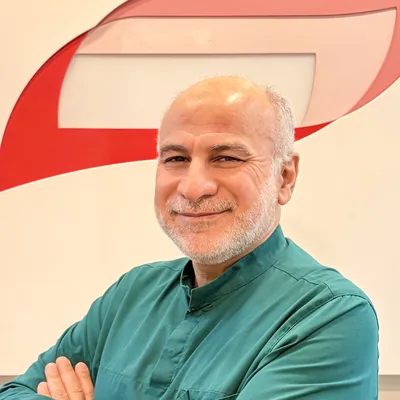
Dr. Hani Hasbini
Head of Orthodontics
About Dr. Hani Hasbini
Orthodontist who qualified in 1985 and has been in private practice in Beirut since 1991, with specialist training at Universite Paris VII in 1989 and a university diploma in lingual orthodontics from Universite Paris V in 1999. Founded the postgraduate orthodontics program at the Lebanese University, served as Head of Department, and is a founding member of Lumident.
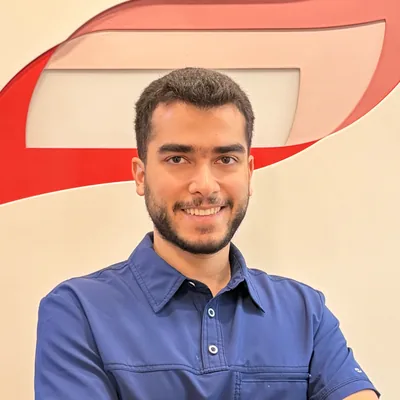
Dr. Mohammad Hasbini
Orthodontist
Questions patients ask about braces and aligners
Direct answers first. For anything case-specific, ask the department on WhatsApp.
How much do braces cost in Lebanon?
Cost depends on case complexity and the appliance: fixed metal braces are usually the most economical, ceramic and self-ligating cost more, and lingual braces or clear aligners are the highest. The exact figure is confirmed at a consultation with Dr. Hani Hasbini, and payment is staged across the treatment.
Braces or clear aligners: which is right for me?
An orthodontic assessment establishes which options suit your teeth and bite. Aligners require consistent wear as prescribed; some movements may need fixed braces or combined appliances. Ask about daily care, review appointments and retention.
How long does orthodontic treatment take?
Most full treatments take 12 to 24 months. Simple alignment cases can finish in 6 to 12 months, and complex bite corrections can take longer.
At what age should a child first see an orthodontist?
Around age 7, when the first permanent molars and incisors are in. Early assessment does not mean early braces. It catches growth and spacing problems while they are still simple to guide.
Am I too old for braces?
No. Adults are treated routinely at Lumident with metal, ceramic, lingual, and aligner options, and treatment is planned around work and social routines.
How often are orthodontic visits?
Review appointments depend on your treatment plan and appliance. Confirm how often you need to attend and discuss travel or other commitments before starting.
Will I need a retainer afterwards?
Retainers are usually needed after active treatment to maintain the result. Ask how retention, retainer wear and follow-up will be planned for you.
Start your orthodontic consultation
Book directly with the orthodontic department to review alignment, options, and timeline.